

Beneath the Waves: The Colorful World of Saltwater Fish
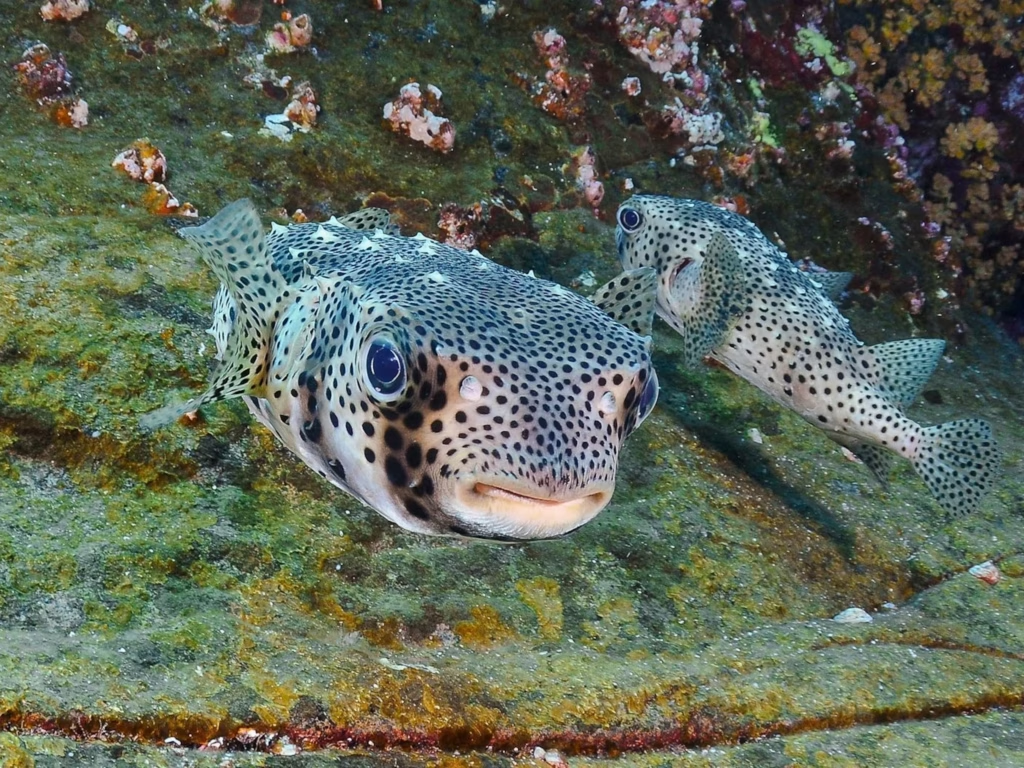
Saltwater fish are species that thrive in the ocean’s saline environments, ranging from shallow coral reefs to the deepest parts of the sea. These fish have adapted over millions of years to survive in saltwater through specialized physiological features, such as salt-excreting glands and osmoregulatory systems. They come in a vast array of shapes, sizes, and colors, making them a popular focus in both commercial fishing and marine aquariums.
Many saltwater fish play essential roles in marine ecosystems—cleaning reefs, controlling algae, or serving as prey for larger predators. Some of the most well-known saltwater species include clownfish, angelfish, groupers, tuna, and mackerel. Saltwater fish also have diverse behaviors and diets; some are herbivores, others carnivores, and many are omnivores. Due to environmental threats such as overfishing, pollution, and coral bleaching, several species face population declines.
For enthusiasts, maintaining saltwater aquariums requires careful attention to water chemistry, salinity, and compatibility between species. Despite these challenges, the beauty and diversity of saltwater fish continue to captivate scientists, hobbyists, and seafood lovers alike.
Key Facts:
- Saltwater fish live in oceans and seas.
- They can’t survive in freshwater environments.
- Common types include clownfish, tangs, and wrasses.
- Many are brightly colored due to reef environments.
- They regulate salt through special organs.
- Saltwater fish can be herbivores, carnivores, or omnivores.
- Overfishing has endangered many species.
- Keeping them in aquariums requires stable salinity and pH levels.


Types of Marine Fish by Habitat or Lifestyle:
1. Tropical Reef Fish
- Found in warm, shallow waters near coral reefs (e.g. Indo-Pacific, Caribbean).
- Brightly colored and often small to medium in size.
- Examples: Clownfish, Angelfish, Butterflyfish.
2. Open Ocean (Pelagic) Fish
- Live in the open sea, far from the ocean floor or coast.
- Usually strong swimmers and often migratory.
- Examples: Tuna, Mackerel, Swordfish.
3. Deep-Sea Fish
- Inhabit the darkest parts of the ocean, thousands of meters deep.
- Adapted to extreme pressure, cold, and no light—often with bioluminescence.
- Examples: Anglerfish, Lanternfish, Gulper Eel.
4. Coastal Fish
- Live in shallow coastal waters, including estuaries and bays.
- Often experience changing salinity and temperature.
- Examples: Flounder, Sea Bass, Mullet.
5. Bottom-Dwellers (Demersal Fish)
- Live and feed near or on the sea floor.
- Often have flattened bodies or downward-facing mouths.
- Examples: Grouper, Halibut, Scorpionfish.
Conclusion
Saltwater fish are an incredibly diverse and vital part of the ocean’s ecosystems. From colorful reef dwellers to powerful open-ocean swimmers, they play key roles in maintaining marine balance and biodiversity. Whether admired in aquariums, studied in science, or seen in the wild, saltwater fish continue to fascinate and inspire. Protecting their habitats is essential to preserving the beauty and health of our oceans for future generations.
